Lifeline in Ethiopia: How HMCHA is Rewriting Children’s Futures

In a world where statistics often reduce human suffering to numbers, the HMCHA
(Holistic Ministry of Children of the Horn of Africa), a non-profit public charity
organization, stands as a reminder that behind each figure lies a child with a name,
a dream, and the right to hope. Founded in Minneapolis in 2007 by an Ethiopian
refugee, Megersa Kumbi, the organization has spent nearly 20 years empowering
children and families in rural Ethiopia through education, nutrition, and
community-driven support.

The story of HMCHA is rooted in resilience. Kumbi fled Ethiopia during the
violent communist regimes, walking for days through Sudan before eventually
reaching the United States. Years later, he returned to his homeland, following
what he described as a recurring vision of a mountain and a calling to help his
people. “He kept having this dream of a mountain,” recalls Carol Pfleiderer, the
sponsor coordinator of the organization. “When he finally went back, he saw the
very mountain from his vision. That was the beginning.”
HMCHA began as a small project to provide clean water and sponsor six children,
which has grown into a thriving network of support. Today, HMCHA has worked
with hundreds of children, many of whom have since graduated or transitioned out
of the program, and maintains partnerships with several schools across villages in
Ethiopia’s Oromia region.
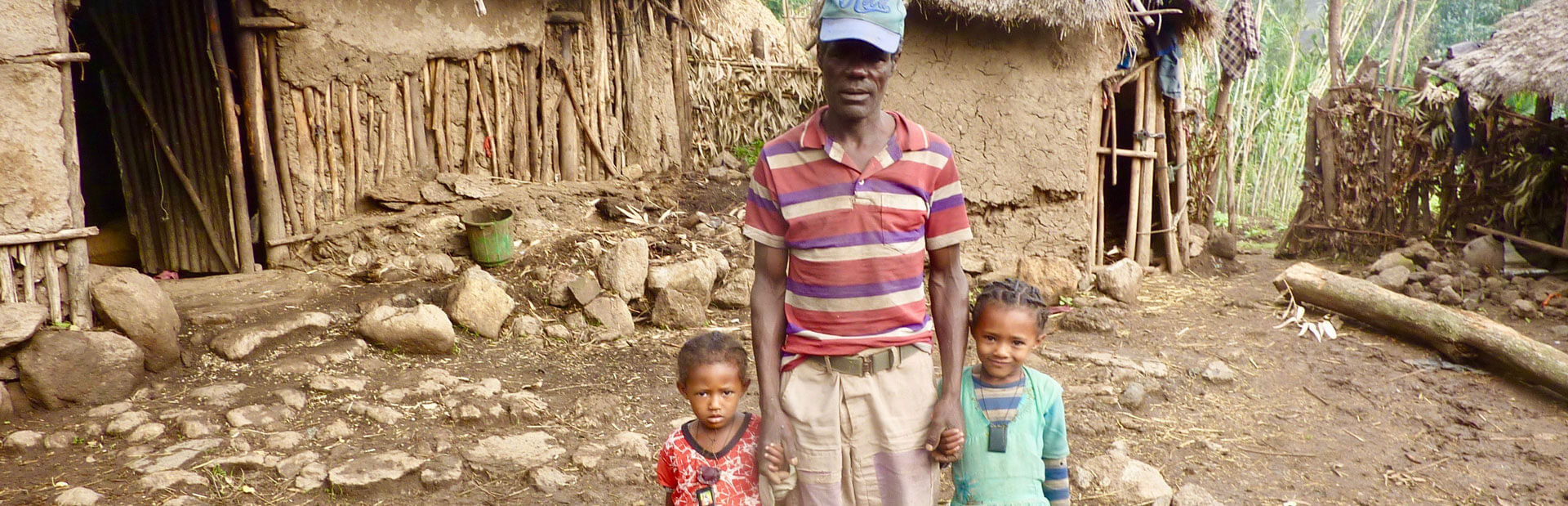
Pfleiderer notes that the scale of the challenges Ethiopians face is dire. Families
live without running water or electricity, meals are uncertain, and children grow up
facing an impossible choice: work to keep their families afloat, or pursue an
education that might one day break the cycle of poverty. In some communities,
children eat only four times a week. Classrooms are overcrowded, with one teacher
responsible for 70 or more students. For too many, the future is already written: a
life of labor, illiteracy, and struggle.
And it’s these perilous circumstances that HMCHA’s sponsorship model aims to
change.

For $360 a year, just $30 a month, a sponsor can ensure a child has food, school
uniforms, supplies, medical care, and even a modest savings account to help them
transition into adulthood. “More than half of the sponsorship goes toward food for
the family,” explains Pfleiderer. “The rest provides essentials like school uniforms,
notebooks, medical checkups, and even a little nest egg for when the child finishes
school.”
Beyond sponsorships, the organization has taken a holistic approach to community
building. At the request of local committees, HMCHA has constructed a pedestrian
bridge to connect isolated villages, a community center with a library and
computer lab, and a school that now offers education through sixth grade. They
have provided safe housing for high school girls who would otherwise face
dangerous commutes, and they’ve created income-generating programs to
empower single mothers with small business skills and financial independence.
“It’s never been about coming in as outsiders with the answers,” Pfleiderer stresses.
“We sit with the communities and ask them, ‘What do you need most?’ The bridge,
the community center, the school, these were all their priorities.”
The organization’s impact extends to training as well. Several local teachers have
received training in critical thinking and problem-solving instruction, helping to
improve the quality of education across rural schools. Children are also enrolled in
Saturday programs for tutoring, health lessons, and activities designed to
strengthen both academics and community ties.
But the work is not without heartbreak. Poverty and harmful traditional practices
continue to put children at risk. Some have been forced into farm labor, starting
first grade as teenagers. Others have faced the threat of kidnapping, particularly
young girls. Without intervention, a child’s entire life trajectory can regress.
HMCHA stands in that gap, offering hope where it rarely exists. They have
partnered with women’s safety organizations to combat these dangers, while
providing safe housing and consistent advocacy.
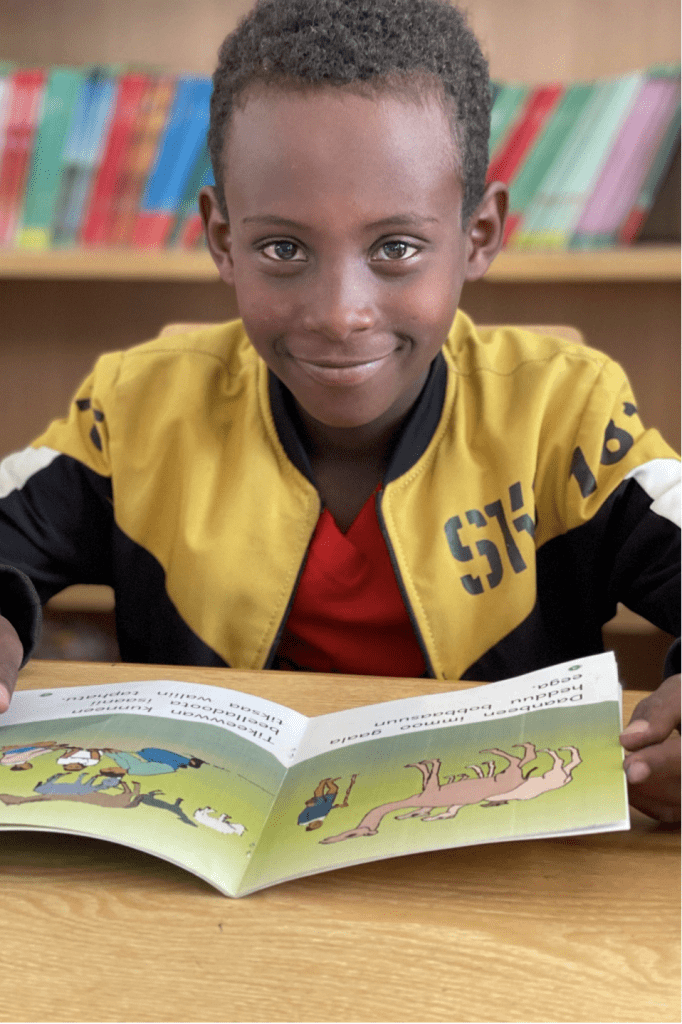
Despite the difficulties, stories of transformation are everywhere. Children once
unable to write their own names now pen letters twice a year to their sponsors,
showcasing their growth in literacy and confidence. One boy who had reached
third grade without being able to read restarted his education at HMCHA’s school
and is now thriving.
These successes come from the generosity of those willing to look beyond borders.
“We can’t do this without support,” says Pfleiderer. “But it’s not just about helping
others, it’s about being part of transformation, of seeing hope rise out of poverty.”
As HMCHA approaches its 20th year, its mission remains deeply personal and
profoundly urgent: to provide children not just with education, but with dignity,
opportunity, and the chance to dream. The work continues because ordinary people
choose to believe that even the smallest gift, whether $5 or a full sponsorship, can
change a life.
“Every contribution makes a difference,” Pfleiderer says. “If anyone can sponsor
just one child, that already sets off a ripple effect for thousands of great things to
occur; every penny matters. Because to that one child, it changes everything.”